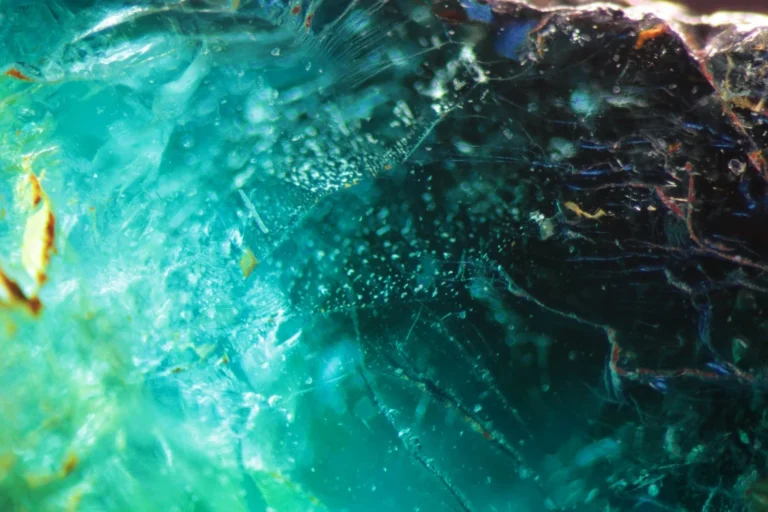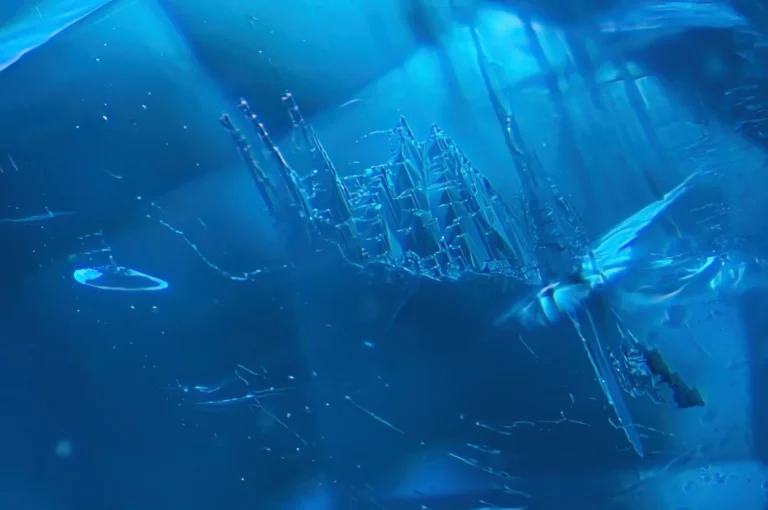
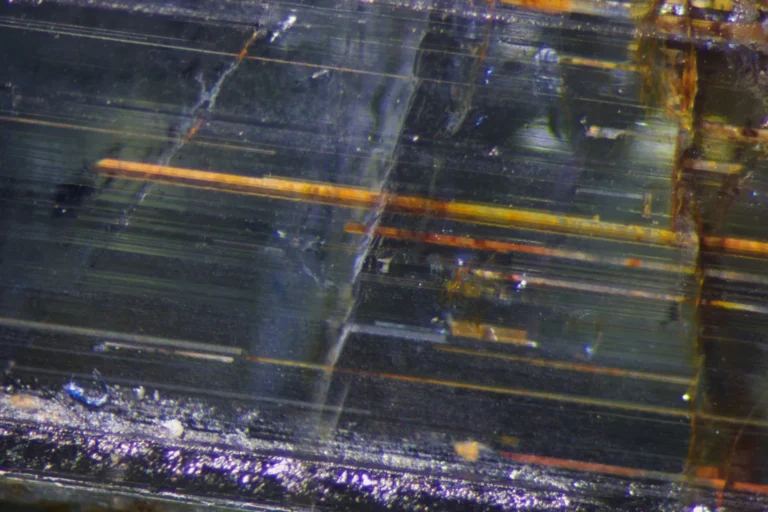
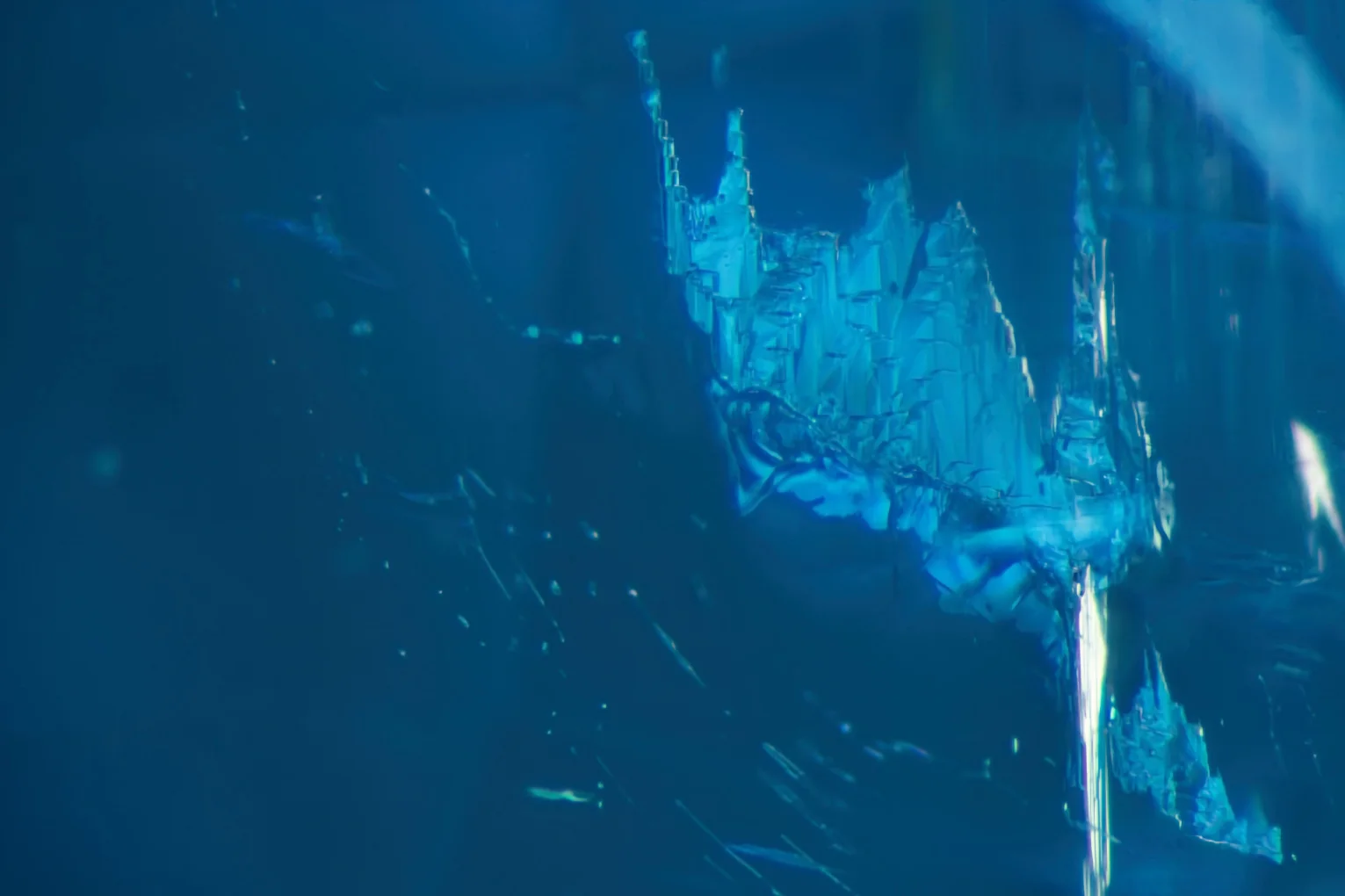
A new deposit near Abuloo, in Ethiopia’s Oromia Region, is producing copper-bearing tourmaline, and the trade is asking a reasonable question: can a stone from Ethiopia be called Paraíba?
Paraíba began as a place and became a name for a kind of tourmaline
Buyers often ask whether a stone is Paraíba or only “Paraíba-type”. The two phrases are used loosely in the trade, so it helps to start with what the name means on a laboratory report.
The name comes from the Brazilian state of Paraíba, where the first copper-bearing tourmalines of this type were found in the late 1980s (Fritsch et al. 1990). The colour was unlike anything the trade had seen in tourmaline, and the name attached itself to the material.
It did not stay in Brazil. Comparable copper-bearing tourmaline was later found in Nigeria and Mozambique, and the trade continued to use the name. Rather than let usage drift, the Laboratory Manual Harmonisation Committee, a group of gemological laboratories that agrees common wording for reports, set out what the name means on a laboratory report. Its Information Sheet No. 6 treats Paraíba as a variety name for copper-bearing tourmaline of a certain appearance, whatever the country it came from.
So the question is not whether a stone is Ethiopian. It is whether the stone meets the criteria.
What decides it
Two things: what is colouring the stone, and how the stone looks.
Copper has to be present and has to be doing the work. Copper-bearing tourmaline owes its blue to copper, but iron and manganese are usually present too, and they shift the colour towards green, pink and purple. A stone can contain copper and still fall outside the definition if another element dominates its appearance, or if the colour is too weakly saturated (Krzemnicki 2023, 2024).
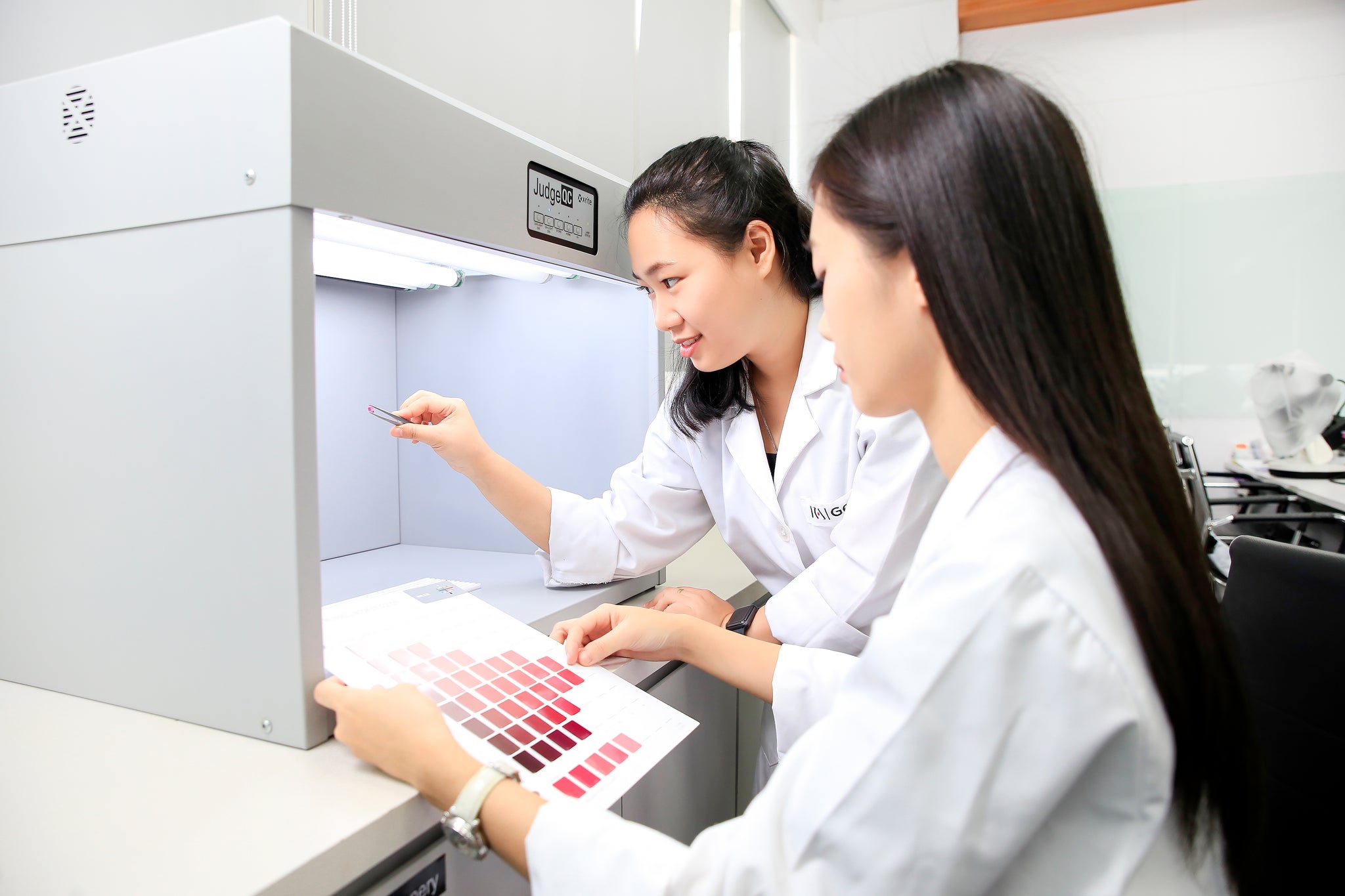
Neither question can be answered by eye. The colour-causing elements are established by ultraviolet-visible-near infrared spectroscopy, which shows which elements are absorbing light, and by chemical analysis, which measures how much of each element is present. The laboratory’s study of the Ethiopian material found copper, manganese and iron in combination accounting for the colours seen, with copper absorbing light in the red and near infrared.
Where the Ethiopian material sits
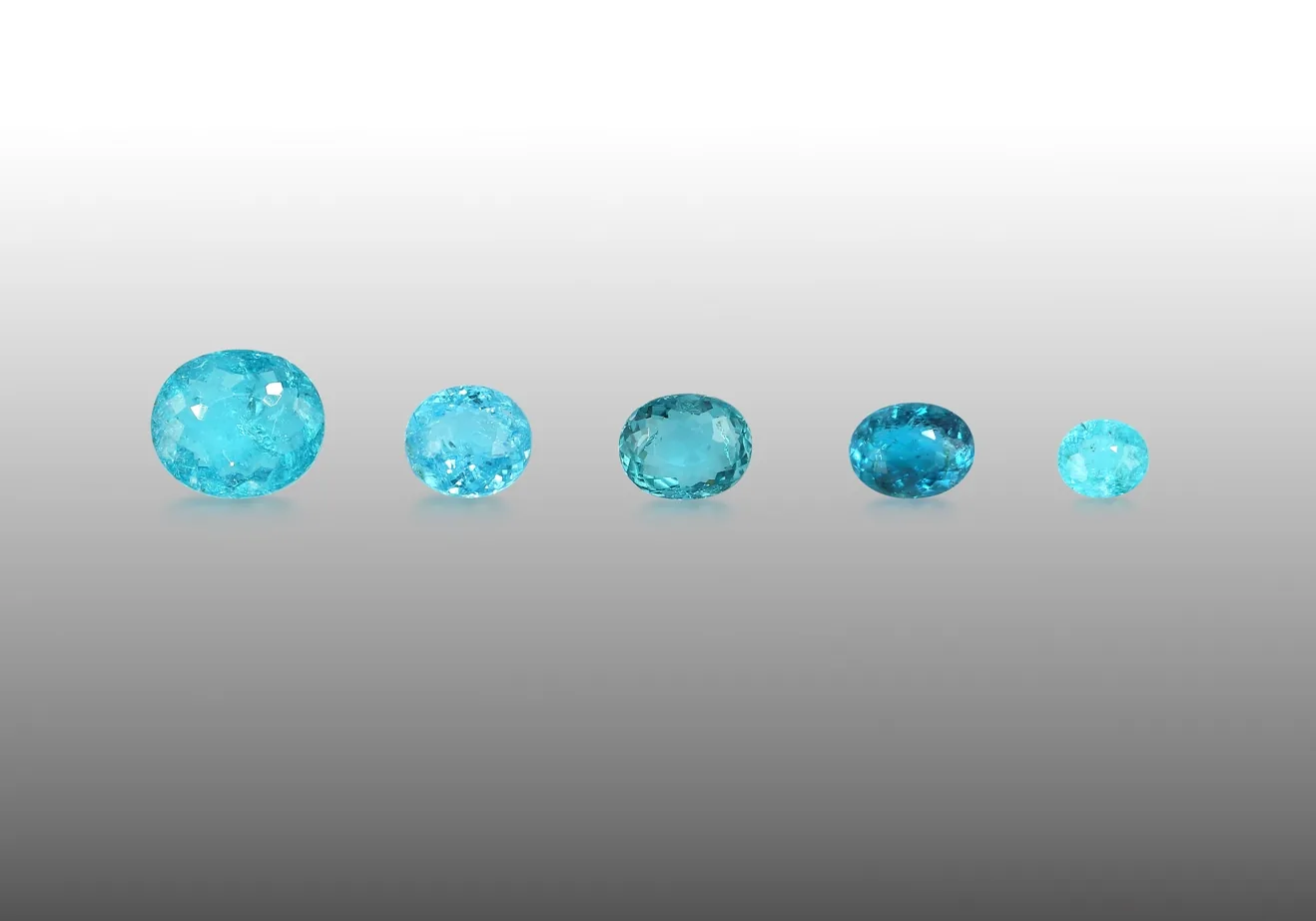
The Abuloo deposit produces both. Some stones are Paraíba tourmaline under the nomenclature; others are copper-bearing tourmaline that does not meet the criteria. The range in the material examined was wide: colours from black to near-colourless, and stones of real transparency, with rough from 0.26 to 11.69 ct and faceted stones from 0.45 to 2.10 ct.
A report that says Paraíba for one stone from a parcel and copper-bearing tourmaline for the next is not being inconsistent. It is describing two different stones.
Why the distinction is worth having
The name matters commercially, which is exactly why it needs to rest on measurements rather than on a seller’s description or a buyer’s hope. A laboratory report documents which elements were found, what the spectra show and which name follows from them. That is a finding, arrived at by a stated method, not a guarantee of value.
Geographic origin is a separate question with a separate answer. It is covered in how the origin of Paraíba tourmaline is determined.
Frequently asked questions
Can tourmaline from Ethiopia be called Paraíba?
Yes, if it meets the criteria in the LMHC nomenclature. The name describes copper-bearing tourmaline of a certain appearance, not a country of origin.
What makes a copper-bearing tourmaline “Paraíba”?
Copper must be present and must be responsible for the colour, and the stone’s appearance must fall within the range the nomenclature covers. Both are established by spectroscopy and chemical analysis.
Does a Paraíba report tell me where the stone was mined?
Not by itself. The variety name and the geographic origin are two separate findings, each needing its own analysis.
The full study is available here: The hidden signature of Paraíba and copper-bearing tourmaline from Ethiopia. To have a stone examined, see origin determination.