
A buyer holding a blue-green tourmaline has two questions. Is it Paraíba tourmaline, and where did it come from? The first is answered by the elements colouring the stone. The second is harder, and for this material it cannot be answered with a microscope.
What the inclusions do and do not show
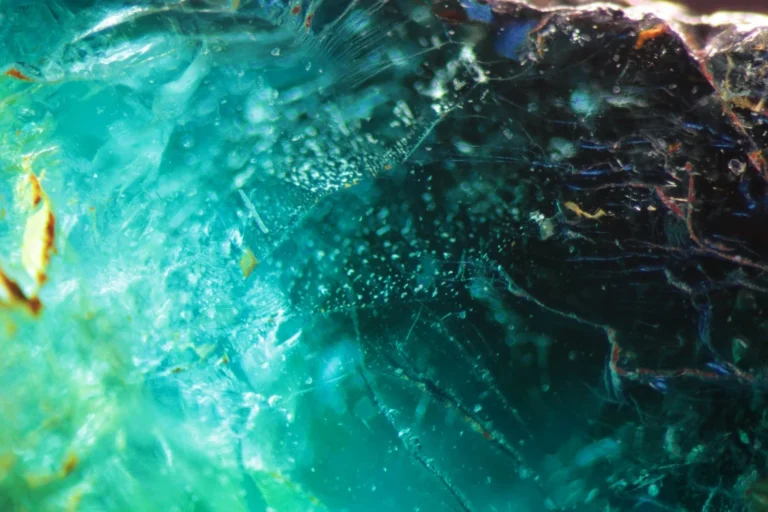
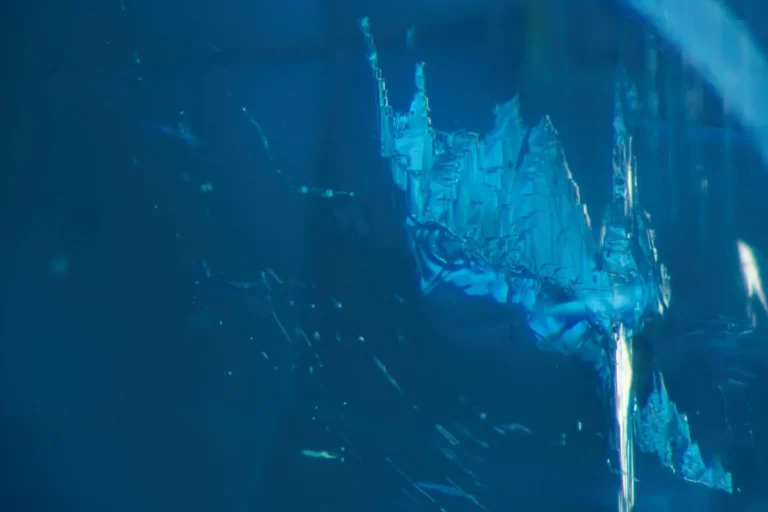
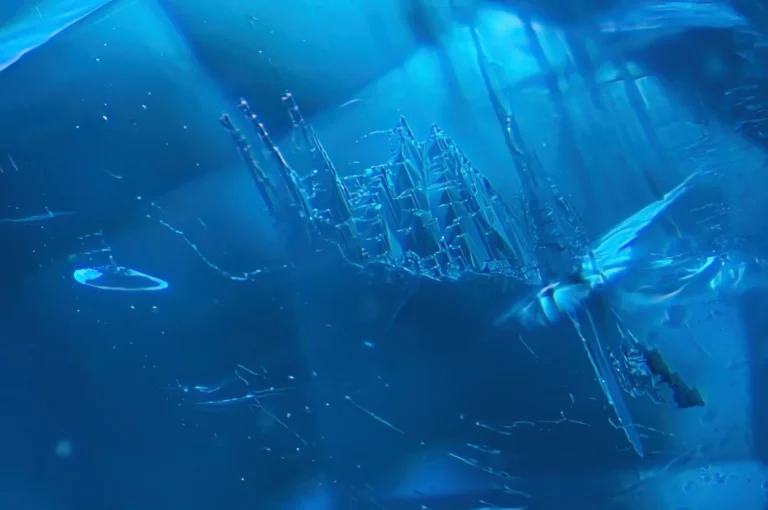
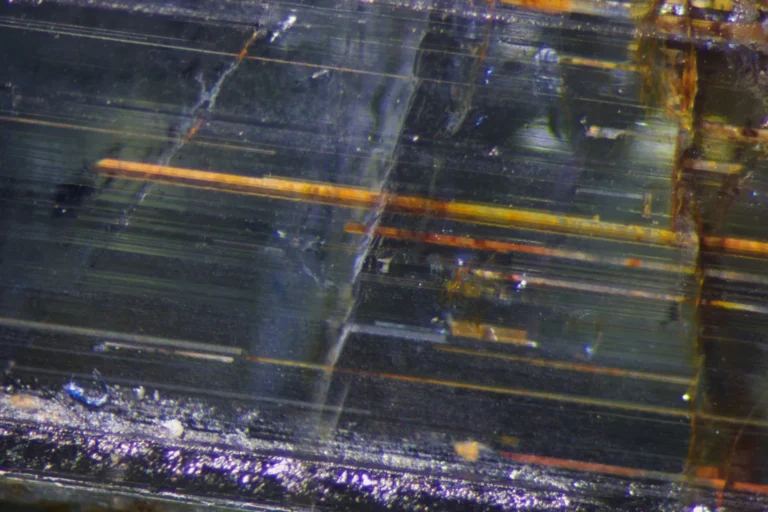
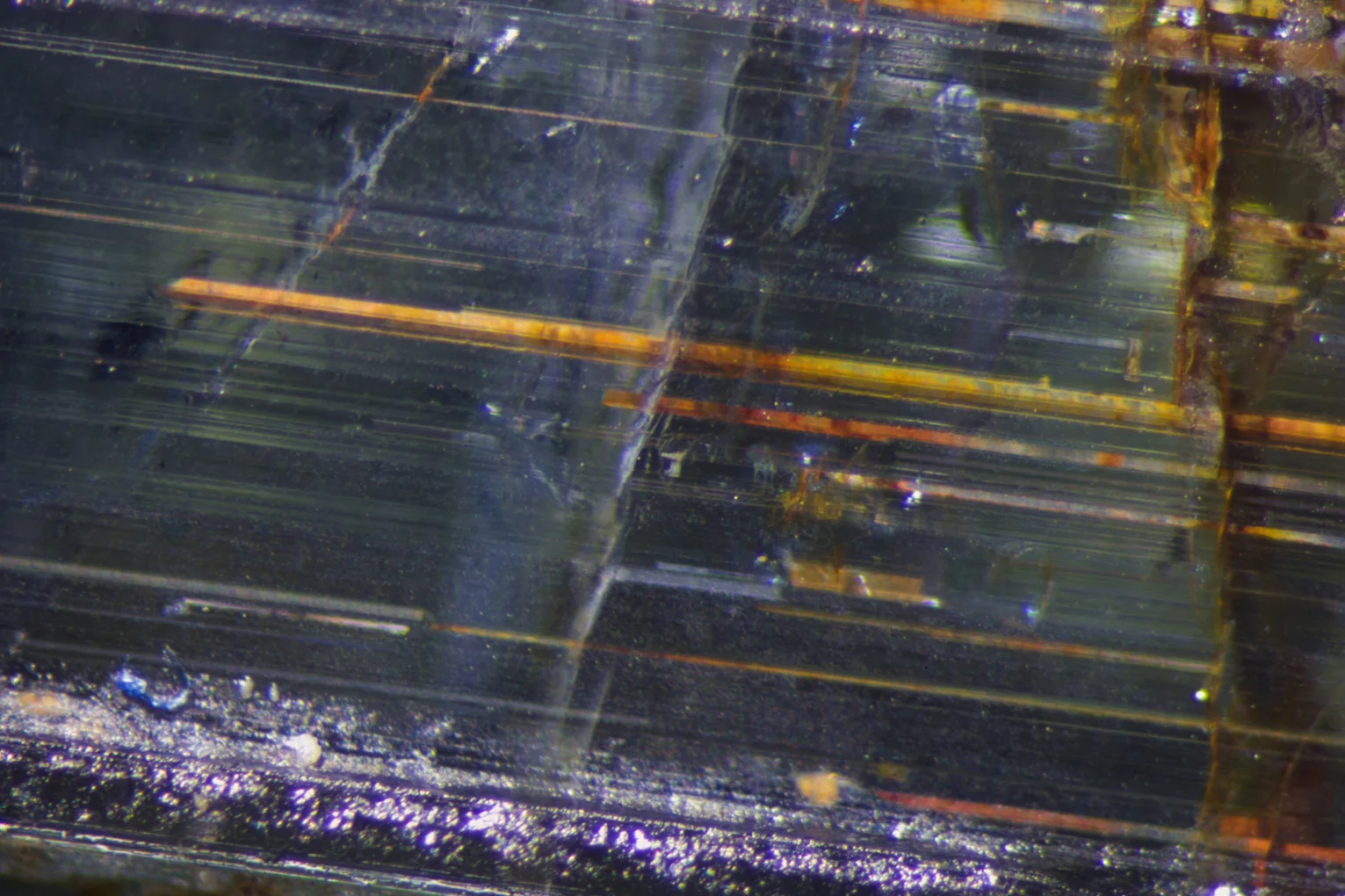
Inclusions, the features trapped inside a stone as it grows, are often the first thing a gemologist looks at. In tourmaline from the new Ethiopian deposit at Abuloo the laboratory documented partially healed fissures with coarse ice-crust textures, needle-like growth tubes running parallel to the crystal’s long axis, trichites, which are hair-like capillaries holding remnants of the fluid the crystal grew from, and brownish iron staining. Solid mineral inclusions are rare.
All of that is characteristic of tourmaline grown in a pegmatite, and it is consistent with natural tourmaline. None of it is specific to Ethiopia. In the study, no locality-specific internal feature was observed. A gemologist who looked only through a microscope could not tell an Abuloo stone from one mined elsewhere.
What the chemistry shows
Every deposit forms under its own conditions, and the crystal takes up trace elements accordingly, in quantities measured in parts per million by weight. Laser ablation inductively coupled plasma mass spectrometry, or LA-ICP-MS, measures those quantities. A laser removes a minute amount of material from an inconspicuous spot, and the instrument identifies and counts the elements in it.
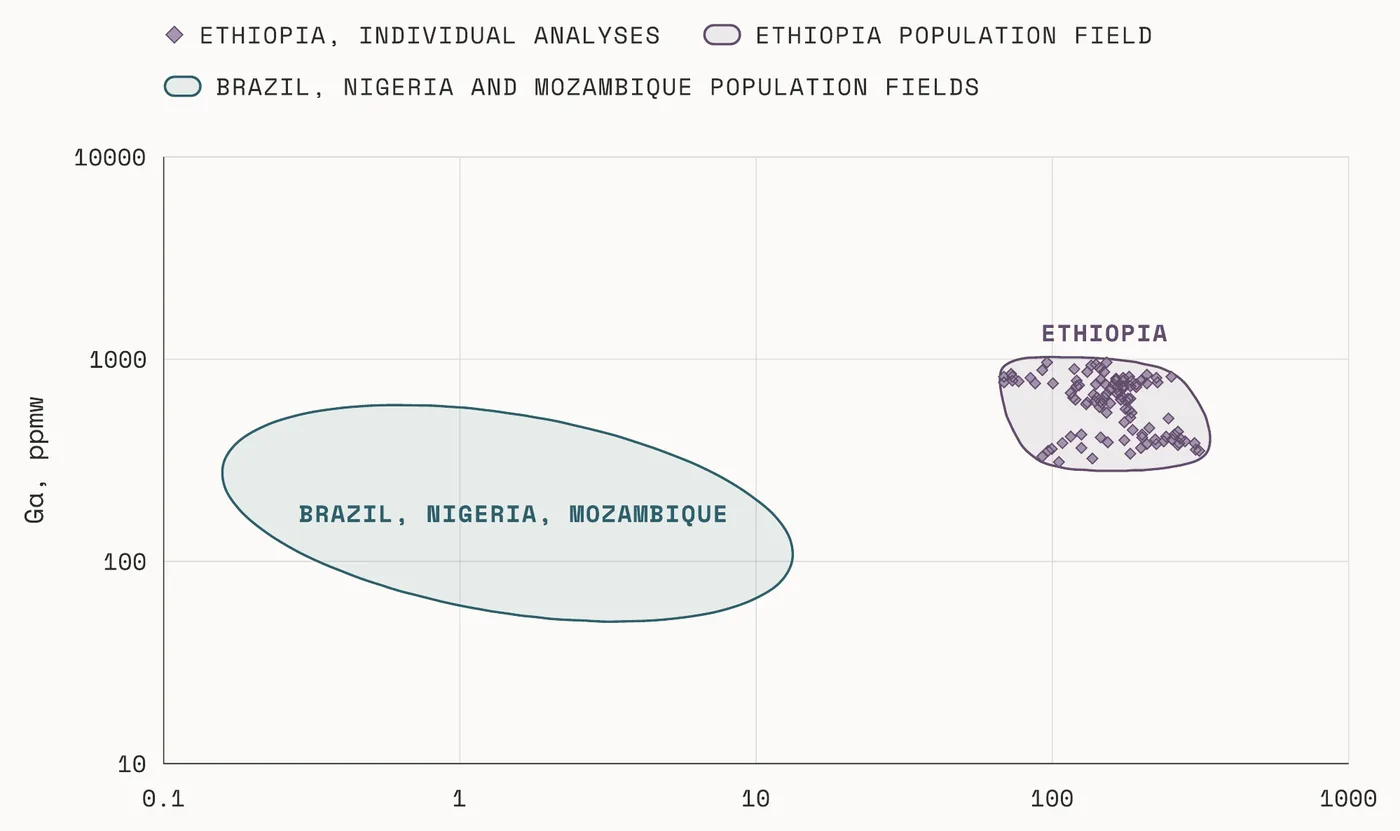
The numbers on their own mean little. They become useful when compared with reference data: measurements from stones of known origin. The comparison in this study is based on reference data collected at ICA | GemLab. For copper-bearing tourmaline the established sources are Brazil, Nigeria and Mozambique, and the method of comparing them by trace element chemistry was set out in 2006 (Abduriyim et al.).
In the study of 69 Ethiopian samples, three elements did the separating. Plotted against each other, vanadium and gallium, and vanadium and lead, put the Ethiopian stones in their own field, clearly apart from the field occupied by material from the three established sources. The ratios of strontium to vanadium and gallium to lead show the same separation. Elevated vanadium, alongside high gallium and lead, is a useful discriminator.
Vanadium is invisible in these stones. It produces no absorption band and contributes nothing to their colour. It is, all the same, one of the clearest signs of where they formed.
What a report can say
Origin determination is an interpretation of evidence, not a certainty. It compares a stone against the reference data a laboratory holds, so its confidence depends on how good that data is and how distinct the source really is. Where the evidence does not support a conclusion, the report says so.
For Ethiopian material the picture is encouraging, because the chemical separation from the other known sources is clear. The comparison so far is with Brazil, Nigeria and Mozambique; a newly found deposit elsewhere would have to be assessed against its own reference data. What no report can do is reach that conclusion from a loupe or a photograph. If origin matters to a purchase, the stone has to be analysed.
Frequently asked questions
Can a gemologist identify Ethiopian tourmaline by its inclusions?
No. The inclusions are typical of pegmatite tourmaline, and no locality-specific feature was observed in the study.
Which elements identify Ethiopian Paraíba tourmaline?
Vanadium, gallium and lead, considered together and compared with reference data from Brazil, Nigeria and Mozambique.
Is chemical analysis destructive?
LA-ICP-MS removes a minute amount of material from an inconspicuous spot on the stone.
How certain is an origin finding?
It is an interpretation, with confidence depending on the reference data and on how distinct the source is. A report documents what the analysis found and how, and states where the evidence runs out.
The full study is here: The hidden signature of Paraíba and copper-bearing tourmaline from Ethiopia. To submit a stone, see origin determination.